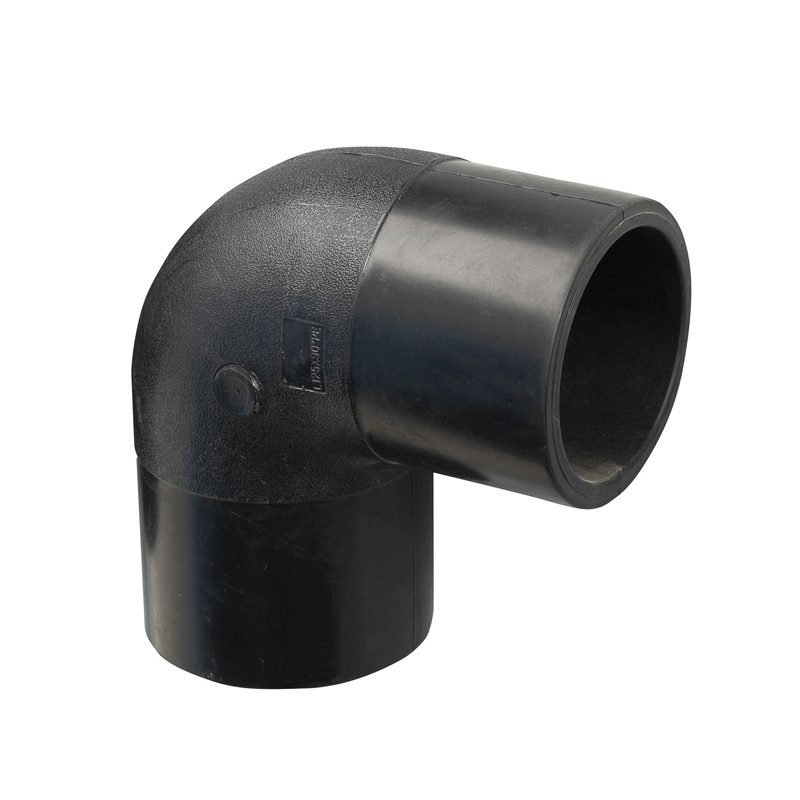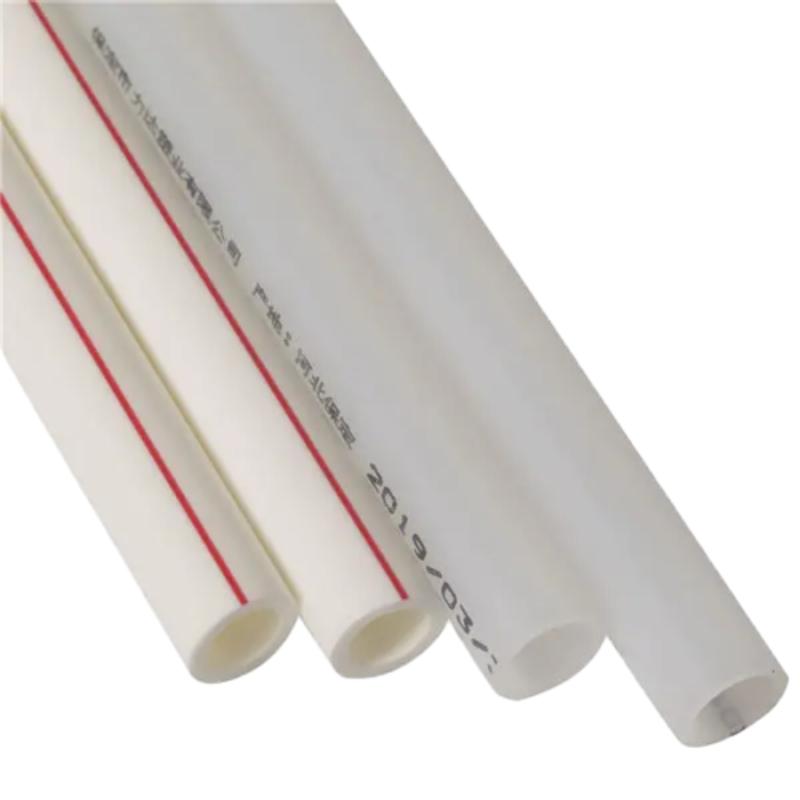
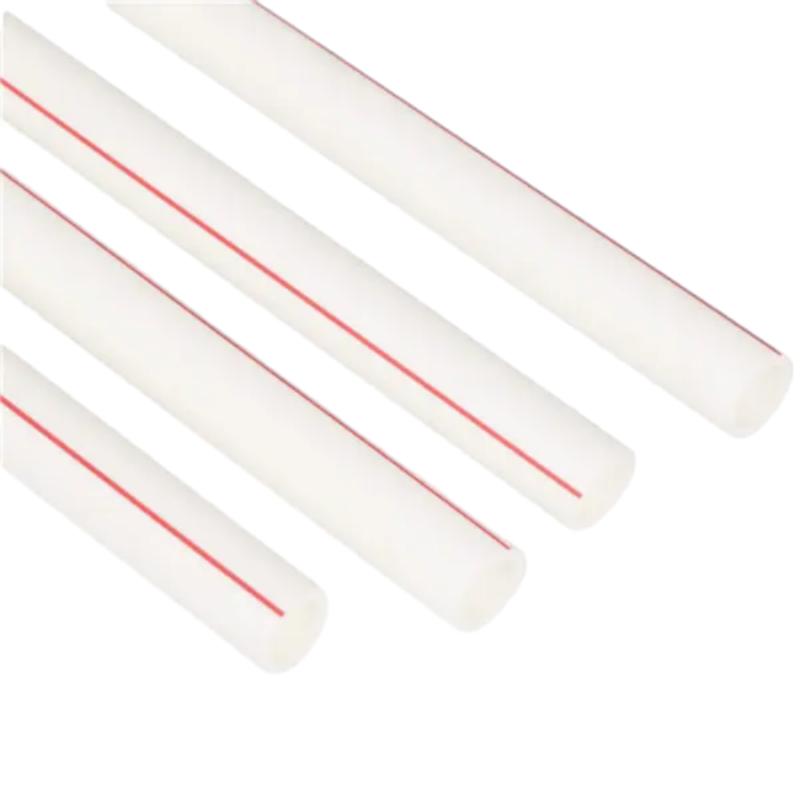


Complies with GB/T 18742.2-2002 and covers pipe diameters from Φ12 mm to Φ160 mm.
Product Introduction
PP-R (random copolymer polypropylene) is the third-generation polypropylene pipe material, also known as “three polypropylene”. It addresses the limitations of homopolymer and block copolymer polypropylene, offering good impact resistance and excellent long-term thermal performance. PPR piping systems are made by processing PP-R as the raw material.
Certificates
ISO9001
ISO14001
Characteristics
· High chemical resistance.
· Anti-fungal and non-toxic.
· Low thermal conductivity.
· Exceptional resistance to corrosion and erosion.
· Leak-proof and airtight homogeneous joints.
· Inherent high impact strength.
· Negligible head loss, minimum pressure loss, and higher flow rate.
· Convenient installation; lightweight design and long service life.
· Superior impact and fracture resistance, with minimal crack propagation.
· As an eco-friendly product, PPR does not catch fire easily. In the event of fire, it does not generate toxic gases.
Product Superiority
1. Helps prevent the growth of bacteria and moss, and reduces the risk of secondary pollution.
2. No need to add thermal insulation material, resulting in lower project costs.
3. Helps prevent pipe fouling or blockage, as well as staining, rusting, and residue in basins and baths.
4. Long service life: the pipe system can be used for more than 50 years under normal conditions.
5. The instantaneous water temperature can withstand 95 °C, and it can be used continuously at up to 70 °C.
6. Our PPR pipes use food-grade raw materials; their safety level is comparable to baby bottle and nipple standards.
Connection Mode and Accessories
Hot-melt connection is used between PP-R pipes and fittings. When PP-R is connected to metal pipe fittings, polypropylene fittings with metal inserts are used as the transition. The fittings and PP-R pipe are connected using hot melt, while the metal pipe is secured using a wire clamp.